Jamaican Food in Denver: From Jerk Chicken to Oxtail
Denver has become the kind of food city where cravings rarely stay unanswered for long. You can find regional Mexican cooking, serious Vietnamese, old-school steakhouses, West African comfort food, and a growing number of Caribbean kitchens that have built loyal followings one takeout box at a time. Jamaican food sits in a particularly satisfying corner of that landscape. It is bold without being fussy, deeply seasoned without losing clarity, and built around dishes that feel both celebratory and practical. A plate of jerk chicken with rice and peas can work as a quick weekday lunch. A slow-cooked oxtail dinner feels like something you plan your whole day around.
Anyone searching for Jamaican food Denver diners actually return to is usually looking for more than heat. They want smoke, allspice, scallion, thyme, ginger, and https://jaspermjtf229.solsticebrief.com/posts/exploring-the-rise-of-jamaican-food-in-denver Scotch bonnet. They want that dark, almost bark-like edge on jerk, the plush richness of brown stew gravy, and sides that do real work instead of filling space. Denver’s altitude and climate may be a long way from Kingston or Montego Bay, but a good Jamaican kitchen can still deliver the same kind of depth and comfort that makes these dishes memorable.
What makes Jamaican cooking distinct
Jamaican food rewards patience. That is the first thing to understand if you are new to it, and it is also why the best places often inspire unusually strong loyalty. The cuisine is layered, not because it tries to impress, but because time is one of the ingredients. Marinades sit overnight. Stocks simmer. Tough cuts soften slowly. Spices bloom at different stages. Even dishes that appear simple on the plate often carry a long preparation arc behind the scenes.
Jerk is the obvious ambassador, but it is only part of the picture. Proper jerk flavor is not just “spicy grilled chicken.” It leans on allspice and thyme as much as chile heat, and the seasoning should penetrate beyond the surface. Depending on the kitchen, the result can come out smoky and aggressive or more rounded and herbal. Both styles can be excellent if the bird stays juicy and the spice blend tastes intentional instead of blunt.
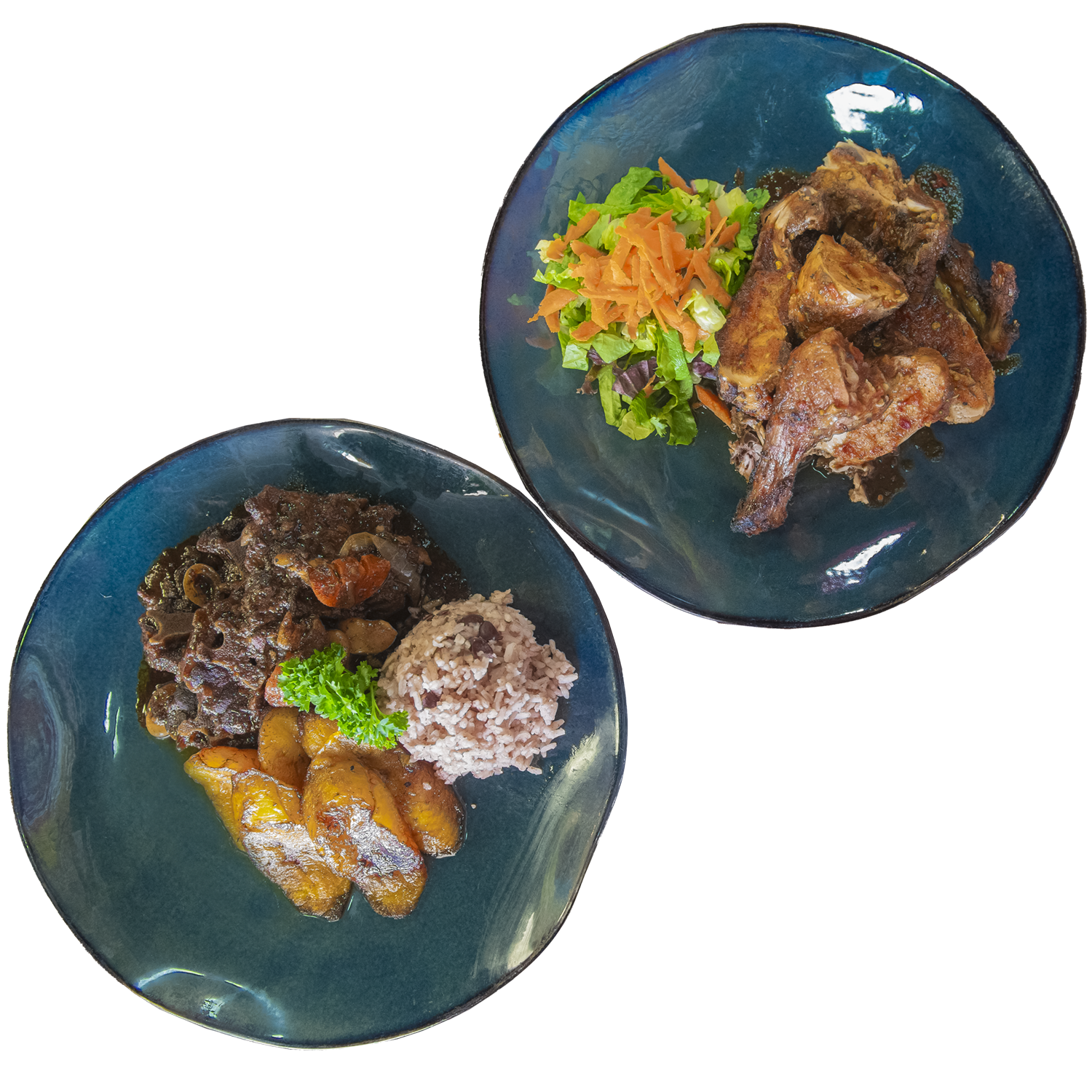
Then there is oxtail, which tells you almost everything about Jamaican home-style cooking in one dish. Done right, it arrives fork-tender in a glossy brown sauce that tastes of beef, aromatics, and long reduction. The best versions have a richness that settles rather than overwhelms, especially when they are served with rice and peas that absorb the gravy.
Escovitch fish brings a different energy. It is sharp, bright, and textural, often topped with pickled vegetables that cut through fried fish with vinegar and heat. Curry goat, another standard bearer, should taste warm and deep instead of muddy, with spice that blooms gradually. Patties, meanwhile, are the everyday workhorse, portable and inexpensive, flaky outside and savory within. A strong patty program is often a clue that a kitchen cares about the details.
Denver’s Jamaican food scene has its own rhythm
Jamaican restaurants in Denver do not always announce themselves with giant footprints or flashy dining rooms. Many operate in modest spaces, strip centers, food halls, or takeout-first storefronts. That actually fits the food. These are meals that travel surprisingly well if packed correctly, and many regulars already know what they want before they walk in.
One thing I have noticed in Denver is that the strongest Caribbean spots often build business through consistency rather than novelty. There is no need to reinvent jerk chicken every six months when the original version already brings people back. You see a similar pattern in other cities with established Caribbean communities. Signature dishes become the draw, then word spreads through office lunches, family recommendations, and the very reliable system of seeing someone else’s takeout and immediately wanting the same thing.
The city’s dining habits also help. Denver is full of people who like casual meals with big flavor and clear value. Jamaican food delivers on both. Portions tend to be generous, sides matter, and leftovers often eat even better the next day. A large oxtail plate can become dinner tonight and lunch tomorrow. That matters in a city where many diners are balancing rising restaurant prices against the simple question of whether a meal actually satisfies.
Jerk chicken is the benchmark, but not every version deserves the same praise
If I am trying a Jamaican restaurant for the first time, jerk chicken is usually my reference point. It is common enough to compare across kitchens, but demanding enough to expose shortcuts. The main thing I look for is balance. Heat matters, but heat alone is easy. What takes skill is building chile fire into a profile that still tastes like spice, herbs, smoke, and char.
A good plate of jerk chicken often shows itself before the first bite. The color should be deep, not pale or merely dusted with seasoning. The aroma should carry allspice and smoke. The skin, if present, should have some snap or charred edges. Inside, the meat needs to stay moist. Dry jerk is one of the more common letdowns, especially in places trying to serve quickly or hold chicken too long under heat lamps.
Sauce is another point of judgment. Some restaurants lean on a side sauce to reinforce heat, and that can work, but the chicken should already taste complete on its own. When the spice is only in a ladle of liquid poured on top, the dish feels unfinished. The best versions taste marinated to the bone.
In Denver, where diners vary widely in spice tolerance, some kitchens understandably pull back on Scotch bonnet intensity. That does not automatically make the food less authentic or less good. It does change the profile. If you want the fuller, fiercer version, it is worth asking whether the kitchen can prepare it hot or whether they have a house pepper sauce available on the side. Most serious Caribbean cooks understand that some guests want the dial turned up.
Oxtail is where patience shows
Oxtail is often the dish that turns curiosity into devotion. It is also one of the easiest ways to tell whether a restaurant cooks with care. There is nowhere to hide in a braise that takes hours and costs real money to produce.
Good oxtail should have body without greasiness. The sauce needs enough collagen and reduction to feel silky, but not so much fat that the plate goes heavy after a few bites. The meat should separate easily while still holding shape. Mushy oxtail usually means it has gone past tender into collapse. Chewy oxtail means the process was rushed.
What I appreciate most in Denver’s better Jamaican kitchens is how they understand the relationship between the oxtail and the plate around it. Rice and peas are not neutral filler. Their subtle coconut and savory notes soften the richness of the braise. Cabbage, often lightly sautéed, gives the meal a little sweetness and lift. Plantains can pull the whole thing together, especially if they arrive with caramelized edges rather than turning soft and one-note.
Because oxtail prices have climbed sharply in recent years, it is one of the more expensive items on many menus. That is worth mentioning plainly. If a plate costs noticeably more than jerk chicken or curry goat, that does not necessarily mean the restaurant is overcharging. Oxtail has become expensive for everyone, including the kitchen. What matters is whether the serving feels generous enough and whether the preparation earns the premium.
The side dishes are not an afterthought
People who are new to Jamaican food sometimes focus so hard on the protein that they miss how much character lives in the sides. This is a mistake I see often, especially with first-time orders made in a rush. A full plate is designed as a conversation between components.
Rice and peas, despite the name, usually means rice cooked with kidney beans and seasoned in a way that can include coconut milk, thyme, scallion, and allspice. It should taste fragrant and savory, not plain. A scoop of bland rice next to excellent jerk can flatten the whole meal.
Fried plantains need their own respect. When they are at the right point of ripeness, they bring sweetness that calms chile heat and rounds out salty, smoky meats. If they are under-ripe, they taste starchy. If they are over-fried, they can turn limp and oily. The sweet spot is a deeply golden exterior with a soft center that still has structure.
Cabbage often looks humble and then ends up being one of the smartest parts of the plate. Lightly cooked with carrots, onion, and seasoning, it adds freshness and relief. Macaroni and cheese appears on some menus as well, usually in a Caribbean style that is denser and more casserole-like than what many Americans expect. It can be a comfort bomb when paired with spicy meat, though I tend to prefer cabbage if I want more balance.
Patties, soups, and smaller orders tell you a lot about a kitchen
Not every visit needs to center on a giant entrée. One of the pleasures of Jamaican food is that it also works beautifully in quick, focused formats. Beef patties are the obvious example. A really good one has a pastry shell that flakes without shattering into dust, and a filling with enough spice and savor to feel complete in a few bites. If a restaurant sells patties all day and they move steadily, that is usually a healthy sign.
Soups are another underrated entry point, especially when the weather turns. Jamaican soups tend to be hearty and restorative, often built with root vegetables, dumplings, and slow-cooked meat. In a place like Denver, where winter can sharpen appetite fast, they make perfect sense. They are also one of the clearest expressions of home-style cooking, the kind of food people crave when they want comfort rather than spectacle.
If you are ordering for the first time and want a practical cross-section of the menu, this is the approach I recommend:
- Start with jerk chicken if the restaurant is known for it, because it reveals seasoning, heat management, and kitchen discipline.
- Add one braised dish, usually oxtail or curry goat, to judge depth and texture.
- Make sure rice and peas are part of the order, since they are central to the meal rather than a neutral base.
- Include one side that brings contrast, such as cabbage or plantains.
- If patties are available, grab one for later. They travel well and give you another read on the kitchen.
That kind of order works especially well for two people sharing. It gives enough range to understand the restaurant without flooding the table with duplicates.
Heat, smoke, and sweetness need to stay in tension
One reason Jamaican food keeps its appeal over repeated meals is that the flavor architecture is so well judged. Great plates rarely hammer one note. Instead, they keep several sensations active at once. You taste char, then sweetness, then chile, then herbs, then the grounding richness of starch or gravy. The best Denver restaurants offering Jamaican food understand this intuitively.
That matters because many diners arrive expecting “spicy food” and stop there. In reality, too much single-note heat can flatten the cuisine. Scotch bonnet has fruitiness. Allspice has warmth and depth. Thyme brings a clean, resinous note. Browning sauces and long reductions create savory darkness. A bite of jerk with plain white bread would tell only part of the story. A bite with rice and peas, cabbage, and maybe a little plantain gives you the full arrangement.
This also explains why beverage choices matter more than people think. A sweet ginger drink, a cold sorrel, or even plain water can play differently against the spice. Beer works well for many people, but sweeter house drinks often make more culinary sense because they support the food’s rhythm rather than just cooling it down.
What to ask when ordering Jamaican food in Denver
Denver is a city of varied diners, and that includes people navigating spice levels, dietary restrictions, and takeout timing. Jamaican food can accommodate some of that, but communication helps. A short conversation at the counter often leads to a better meal.
Here are the questions worth asking if the menu is unfamiliar or the staff does not volunteer much detail:
- Which dishes are cooked fresh throughout the day, and which are best earlier?
- How spicy is the jerk by default, and is there extra pepper sauce available?
- What sides come standard with each entrée?
- Is the oxtail portion bone-heavy or meat-heavy today?
- Which item travels best if you will not eat for another 20 to 30 minutes?
That fourth question may sound overly specific, but anyone who orders oxtail regularly knows why it matters. Since the cut includes bone, portion feel can vary from plate to plate. Good staff will usually answer honestly.
Takeout is often the smartest move
Jamaican food and takeout get along unusually well. Braises hold heat. Rice stays stable. Patties remain portable. Even jerk chicken, if packed with a little venting, can arrive in strong shape. In Denver, where people routinely eat between errands, meetings, and long drives across town, that practicality matters.
There are still a few things to watch. Fried fish loses crispness fastest, so escovitch is best eaten soon after pickup. Plantains can steam themselves soft if sealed while very hot, though some people actually prefer them that way. If you are bringing food home for a group, ask for sauces on the side when possible. This gives you more control and prevents one dish from bleeding into another during transport.
I have also found that Jamaican leftovers are often better with restraint during reheating. Oxtail and curry goat benefit from low, covered heat rather than aggressive microwaving, which can tighten the meat. Rice and peas reheat well with a spoonful of water and a loose cover. Jerk chicken can be refreshed in the oven if you want to revive some texture.
Beyond the familiar standards
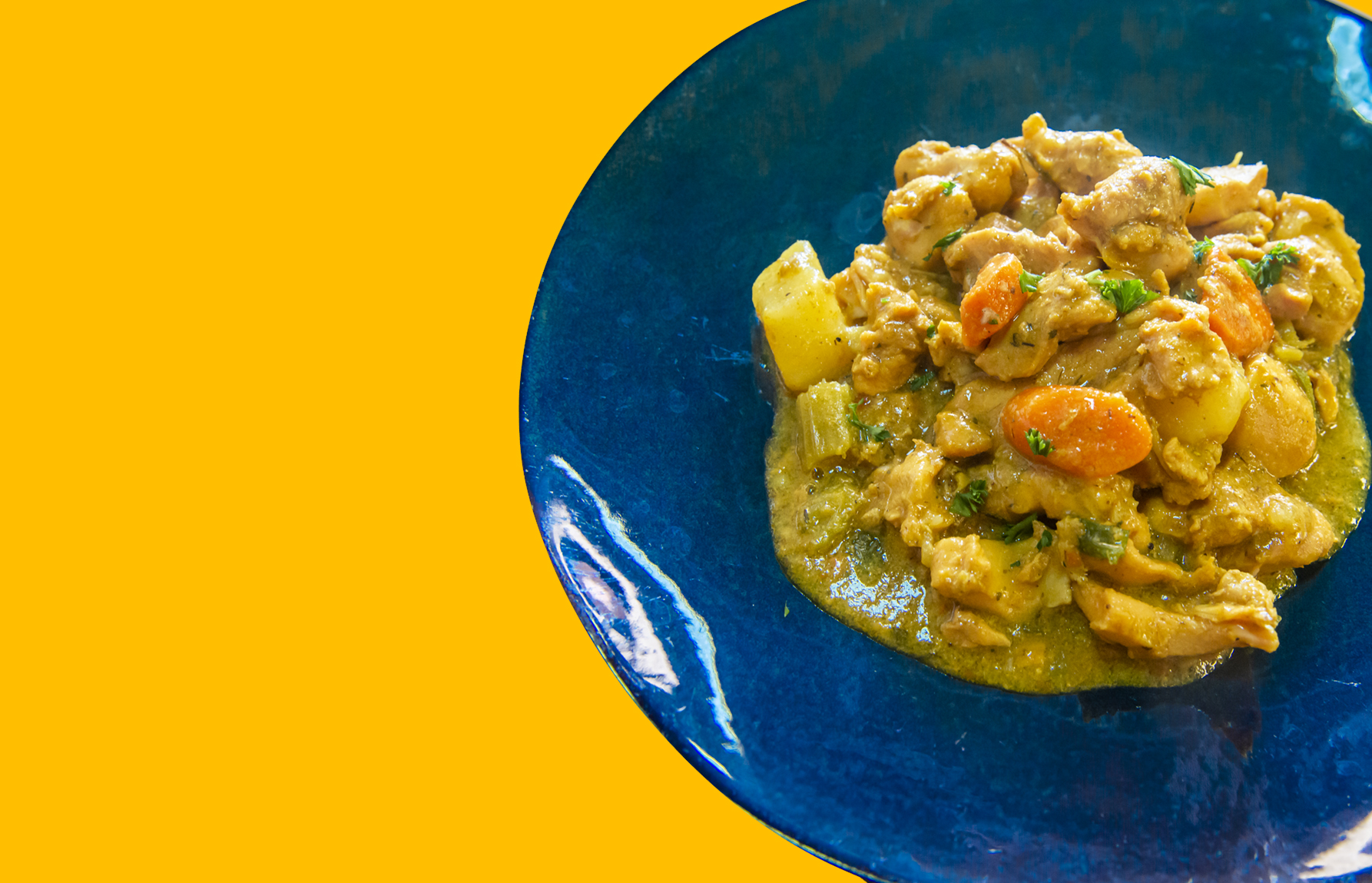
Jerk and oxtail get the headlines, but Denver diners interested in the fuller range of Jamaican cooking should keep an eye out for dishes that do not always appear on every menu every day. Ackee and saltfish, often associated with breakfast, offers a completely different texture profile and a savory, almost scrambled quality that surprises first-timers. Callaloo brings an earthy green element that plays well beside richer meats. Brown stew chicken can be the sleeper hit on a menu because it trades jerk’s fire for a darker, more rounded flavor.
Goat, when done well, deserves special attention. It should taste clean and deeply spiced, not gamy or overly thick with curry powder. This is one of those dishes where a kitchen’s restraint really shows. Too much curry and you lose definition. Too little and the dish feels timid. The ideal bowl lands in the middle, aromatic and full without going dusty.
Seafood options, when available, often showcase another side of the cuisine. Escovitch fish is the classic choice, but shrimp dishes can also work beautifully with Jamaican seasoning. Here again, the better versions maintain balance. Salt, acid, and chile should sharpen the seafood, not bury it.
Why Jamaican food keeps winning people over in Denver
Part of the answer is obvious. The food tastes good, and not in a vague or generic sense. It tastes specific. Even a first-time diner can usually identify that the seasoning profile comes from somewhere with its own culinary grammar and history. That specificity cuts through a lot of restaurant sameness.
The other reason is emotional. Jamaican food has generosity built into it. Portions are often ample, aromas announce themselves early, and the flavors feel grounded in kitchens where people actually cook for people, not for trends. Denver has plenty of stylish places to eat. It also has a growing appetite for food that feels lived-in, direct, and worth craving on a Wednesday, not just booking on a Saturday.
When people search for jamaican food denver options, they are often chasing a particular memory. Sometimes it is vacation food they cannot forget. Sometimes it is something they grew up with and miss. Sometimes they just want a meal with more personality than the average lunch special. Whatever brings them in, the dishes that keep them coming back are usually the same: jerk chicken with real smoke and heat, oxtail with proper depth, rice and peas that deserve the space they take up, and sides that finish the plate instead of decorating it.
Denver may never have the density of Caribbean restaurants you find in New York, South Florida, or Toronto. That is fine. What matters is that the city has enough serious kitchens to make the category worth seeking out, and enough informed diners to keep standards rising. For anyone willing to look past the obvious fast-casual loop and order with a little curiosity, Jamaican food in Denver offers some of the most satisfying meals in town.
Reggae Pot Jamaican Grill
Address: 2243 S Monaco St Pkwy #104, Denver, CO 80222
Phone number: +17204102956
FAQ About Jamaican Food Denver
What is typical Jamaican food?
Typical Jamaican food features bold, vibrant flavors created by blending African, Taino, European, and Asian influences.
What is a famous Jamaican dish?
Ackee and saltfish is Jamaica's national dish, made by sautéing the soft local ackee fruit with salted cod, onions, tomatoes, and spicy Scotch bonnet peppers.
What food is most popular in Jamaica?
The most popular and famous food in Jamaica is Jerk Chicken, celebrated worldwide for its smoky, spicy flavor.